YDSA Must Seize the Zohran Moment Before 2028
Every knock, phonebank, and voter registration drive is an investment in something bigger. Making the case for a re-chartered Youth Electoral Committee, this article lays out a vision for turning today’s campus organizers into tomorrow’s socialist campaign leaders
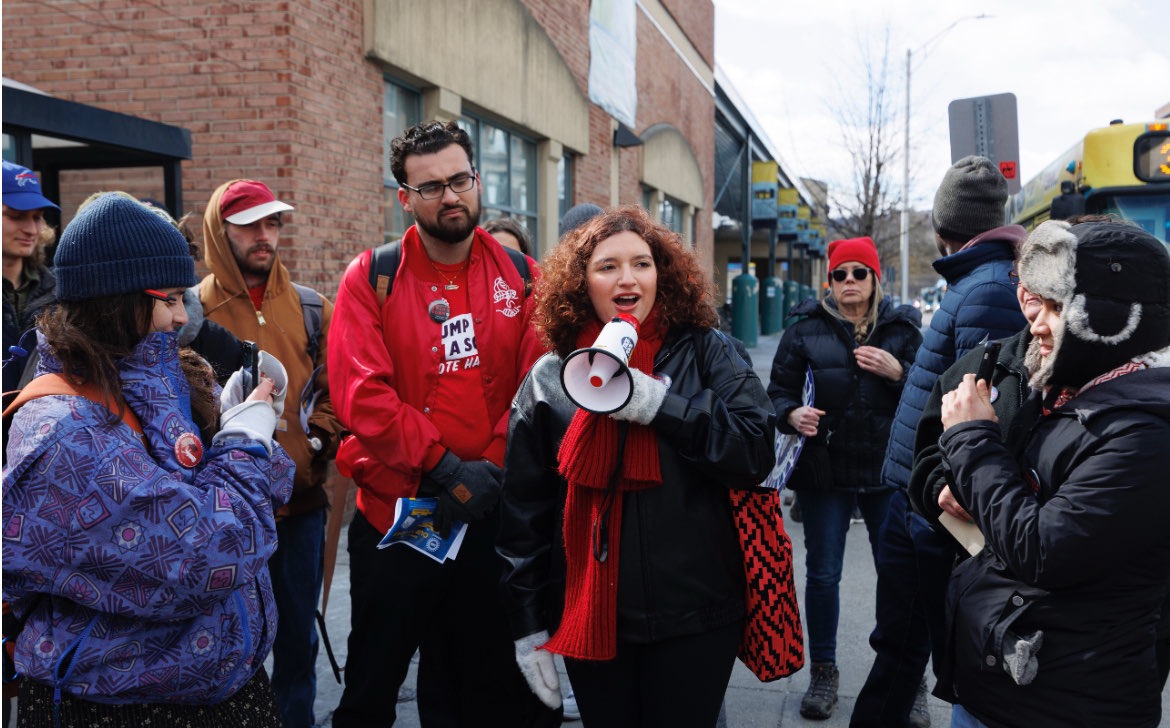
Hannah and YDSA UAW via Sam Poole
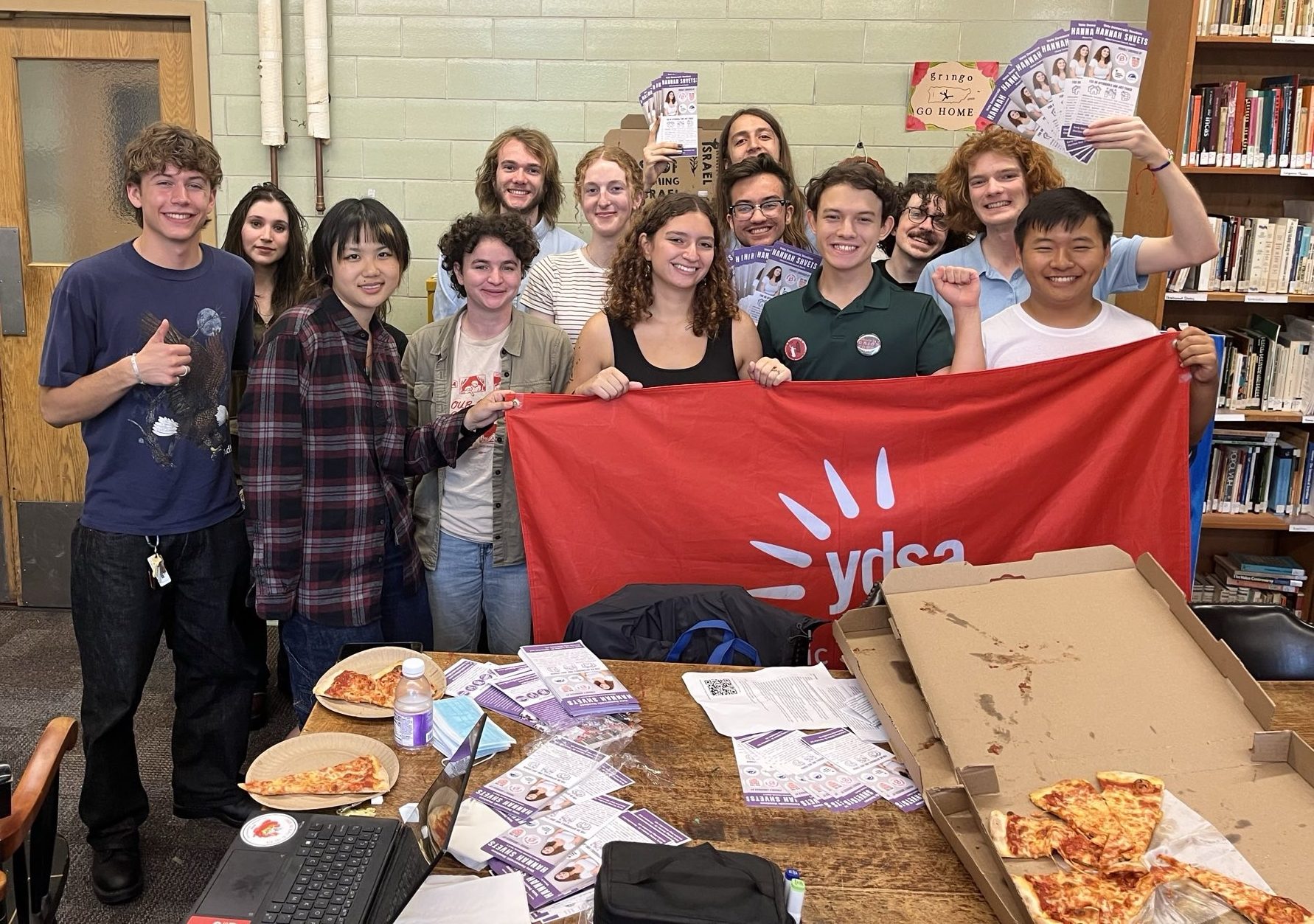
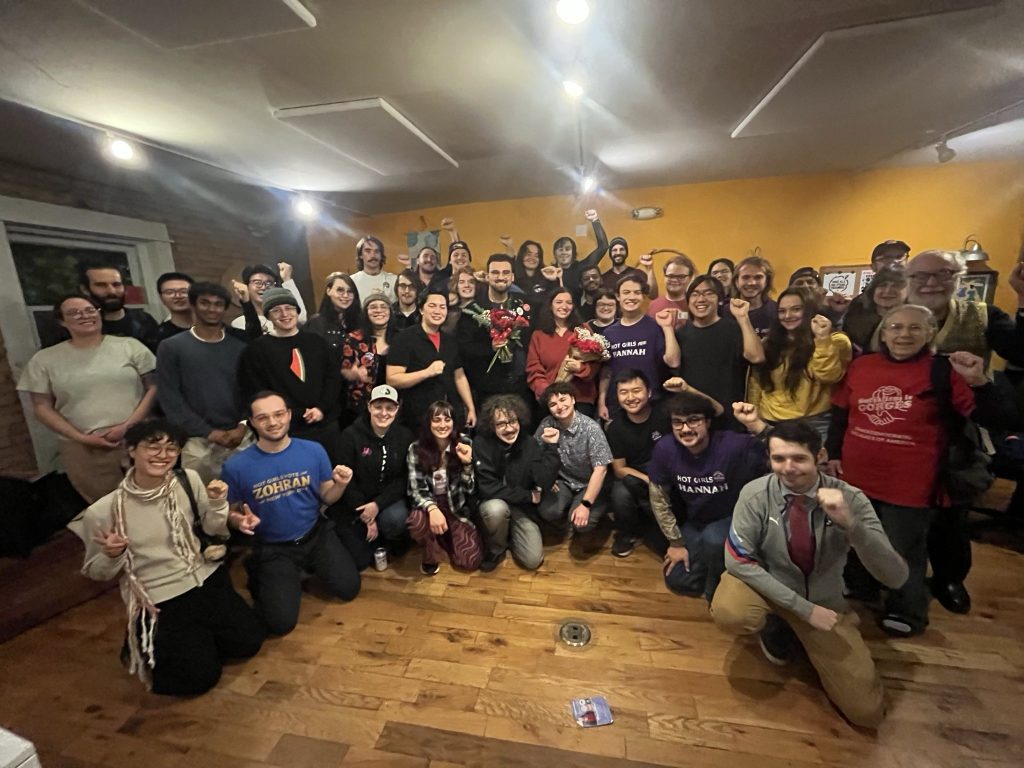
The night of November 3rd, at our campus community center turned polling place, I waited outside with about half a dozen Cornell YDSA volunteers to pick up the final vote tally for our city council race. Everyone was anxious; we had won the three-way primary with less than 20 votes. Meanwhile, one of our opponents, a small landlord and former factory CEO, was running on an independent ballot line in the general election, backed by large donations from other local landlords, and lost.
Our voter operation was strong and brought in dozens of volunteers. We tabled all over campus, knocked on thousands of doors, and filmed our own Zohran-style videos, but as the polls closed, we wondered if it would be enough. When the final results came in, the energy was electric. Not only had we won, but we had received a mandate of 64.5% of the vote. We had also increased our turnout by over 30% from the last election cycle; a majority were new students whom we had registered.
That same day, DSA members across the country celebrated Zohran Mamdani’s win in New York City. A little-known state assemblyman from Astoria, Queens had become the mayor of the largest city in the country because of a massive DSA-led campaign. But all of the other winning DSA-led campaigns were receiving less coverage in the national media. DSA candidates had won seats in local government from Iowa City to Ithaca and Albuquerque to Atlanta. DSA achieved 49 wins across the country in 2025, according to the National Electoral Commission campaign tracker.
Since then, our outreach has only gotten bigger. The 2025 DSA convention passed a resolution to run a slate of congressional candidates in 2026, and so far we have 19 DSA chapter-endorsed congressional candidates. In this cycle alone, we’ve tripled the size of our congressional block by electing Darializa Avila Chevalier, Claire Valdez, Chris Rabb, and Melat Kiros to join AOC and Rashida Tlaib as federal Socialists in Office (SiOs) and ousting decades-long AIPAC-backed incumbents. We may even be poised to expand that block even further with elections for Cori Bush, Oliver Larkin, and Donavan McKinney happening in the next few months. Earlier this year, DSA co-chairs Ashik Siddique and Megan Romer published an article in Jacobin talking about the need for a “Labor-Left Presidential Candidate” in 2028, in alignment with a DSA resolution on the same subject.
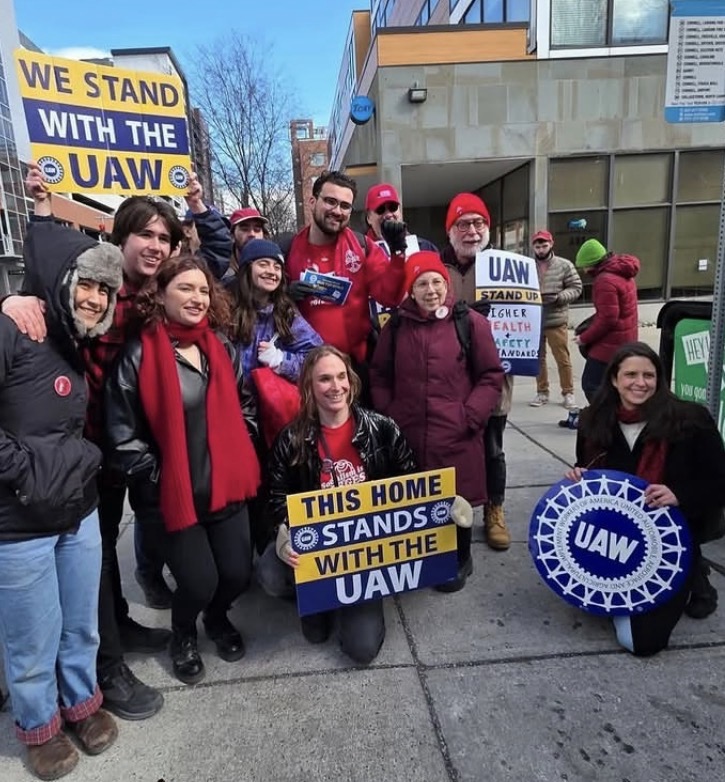
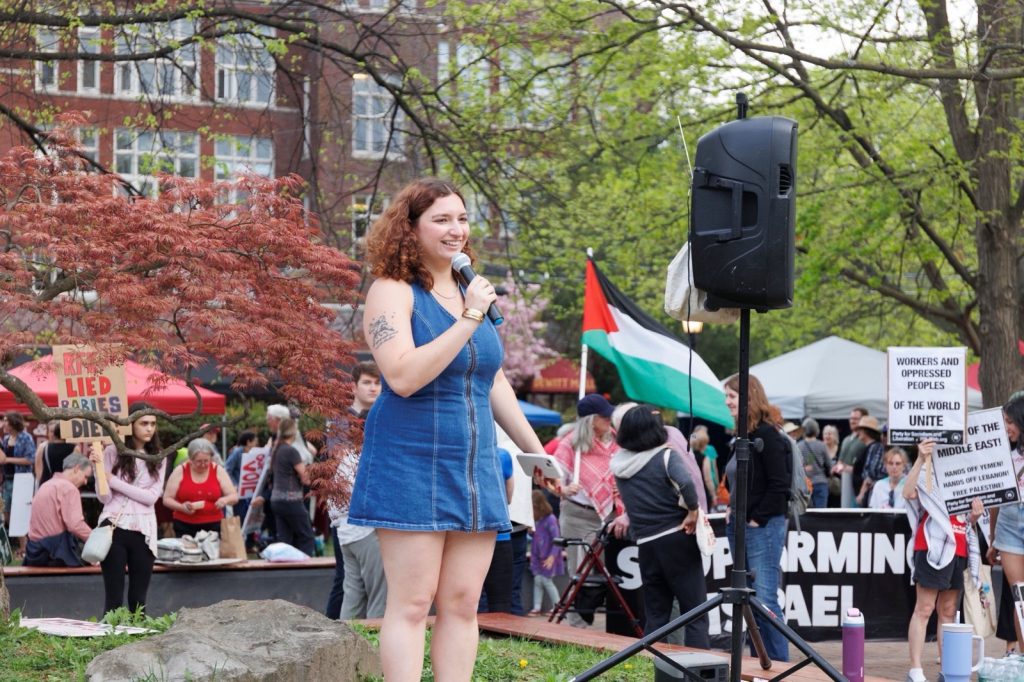
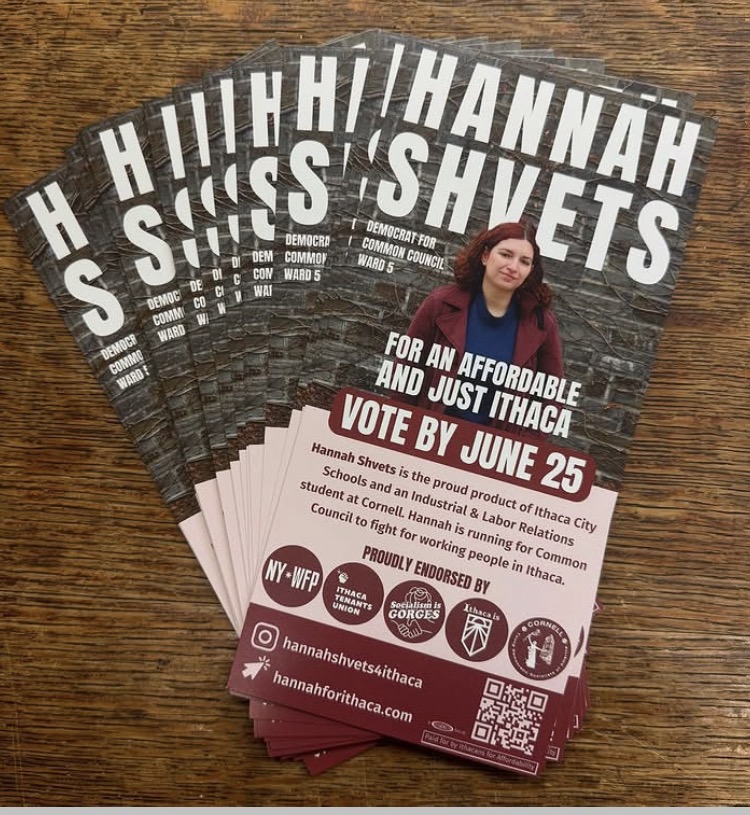
So where does YDSA come in? Cornell YDSA is one of only a few chapters to have elected a member to local government, but we aren’t the only ones. In 2024, University of Vermont YDSA elected Marek Broderick to the Burlington City Council, and in the same year, UC Berkeley YDSA elected Cecilia Lunaparra to their city council. In 2025, the same year that Cornell YDSA member Hannah Shvets got elected to common council in Ithaca, Lawrence University YDSA elected Adrian Stancil-Martin to Appleton City Council. Even in places where YDSA chapters can’t elect their own members, they’ve been making a difference. NYC-YDSA’s Students for Zohran campaign organized canvasses, trained YDSA members in crucial campaign skills, and mobilized students across dozens of campuses from in NYC to get out to vote. This year Wisconsin YDSA chapters are similarly mobilizing in support of Francesca Hong, DSA’s first gubernatorial candidate who is now leading in recent polls.
At the 2026 Winter Organizing Conference, I presented a workshop titled “How YDSA Can Run a Zohran on Your Campus” with Sebastian Leon Martinez, NYC YDSA Zohran Field Coordinator, and Jeffrey Chung, my co-chair for Cornell YDSA’s electoral committee. During the workshop, more people shared their stories about local government campaigns that their chapters are either currently running or interested in running. Post-Zohran, more YDSA chapters than ever are interested in running electoral campaigns, and we need a national body to support them.
At this year’s convention, I am proposing a resolution to re-charter the Youth Electoral Committee (YEC), which was originally chartered in 2024 by resolution “R2 Bringing Class Struggle to Student Government. With this resolution, YEC was focused primarily on supporting student government campaigns, with local government as an afterthought. Or, as the authors of the R2 wrote, “YDSA chapters in college towns with winnable districts for local office might consider running a city council campaign when student government is not a feasible site for class struggle.” Student government campaigns can often be valuable tools of agitational struggle to bring attention to YDSA demands and put pressure on the administration. Yet, in many places student governments have little formal power and often are not respected institutions by either the student body or the administration. By prioritizing student government, the original YEC severely limited its scope and the number of chapters that were interested in engaging. This ultimately led it to almost entirely abandon the mentorship aspect of its mandate and focus on completing one guide to campaigns before dechartering.
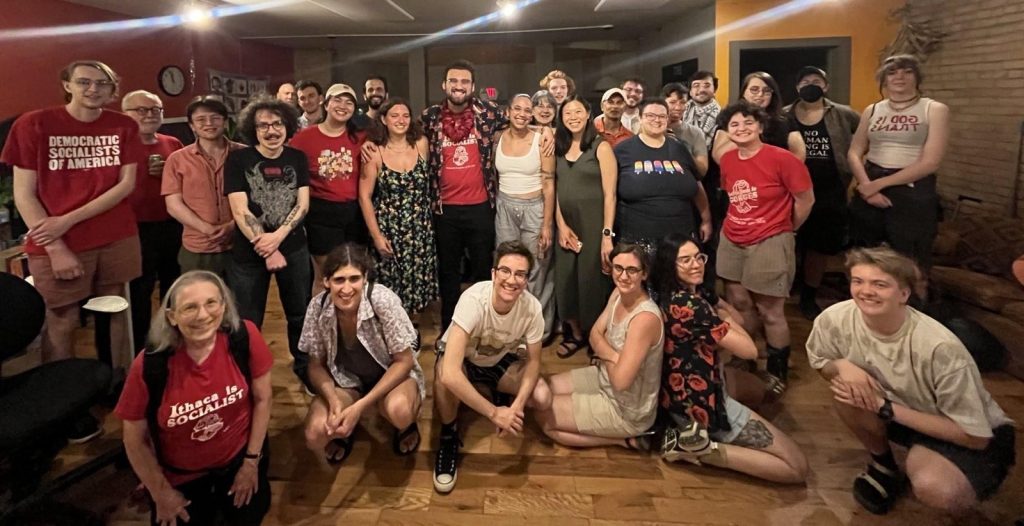
My resolution, “R8. For a YDSA Electoral Project,” would focus the YEC primarily around non-student government by supporting chapters in running their own members for local office and mobilizing young people in support of DSA campaigns. The resolution borrows from successful practices used by DSA’s National Electoral Commission (NEC), whose outreach, fundraising, and training programs have helped national DSA support chapters across the country in running successful campaigns. The NEC’s capacity is already stretched thin with providing support to all the DSA chapters that want to run candidates, so the YEC will be able to augment that capacity by creating and adapting materials focused around concrete skills such as district research, creating a field plan, campaign communications, and fundraising to the conditions of YDSA chapters and college campuses.
The resolution would also charge the YEC with creating a recommended endorsement process for all chapters to follow. This would include mandatory elements such as collaboration with the local parent DSA chapter if there is one, democratic deliberation around chapter capacity to discourage paper endorsements, and a minimum standard of alignment with Y/DSA that candidates must meet to be eligible for endorsement.
As we prepare for 2028, we need YDSA chapters across the country developing leaders with the practical experience necessary to run field campaigns on the scale of a presidential race. That’s why my resolution, R8, charges the YEC with identifying strategic chapters to run electoral campaigns, including college town chapters with majority student districts, as well as chapters located in states identified by the NEC Congressional Subcommittee as viable for insurgent socialist congressional campaigns and chapters located in key presidential primary states. It also explicitly ties in with R18 Preparing for a Class-Struggle 2028 Presidential Election, which is proposed by comrades in Bread and Roses, Groundwork, and myself, and charges the YEC, if chartered, with compiling resources for chapters running presidential support campaigns, working with the NEC to create campaign plans, and securing access to VAN and solidarity tech resources for YDSA chapters.
Labor and campus organizing are critical facets of our socialist project where YDSA currently makes powerful interventions. As DSA builds toward becoming a mass socialist party that is capable of contesting state power at the highest levels, its youth and student wing cannot afford to be left behind!
Please reach out to me at samaverypoole@gmail.com if you are interested in supporting this resolution, or want to discuss YDSA electoral strategy ahead of convention.