
Why The Global Majority
What does it take to build a truly multiracial socialist movement? Reflecting on their experiences organizing both on and off campus, the author argues that Global Majority spaces aren’t a source of division, but a foundation for stronger organizing, deeper solidarity, and a Y/DSA that better reflects the communities it seeks to serve.
via Angel J
Leaving my high school in 2022, I had led a Black History Month program and did a speech to the whole school reflecting on the Black Lives Matters & George Floyd protests. I left invigorated, wanting to do more on a wider scale. As I was reaching consciousness, I felt that I could also bring our shared struggles to the consciousness of community members. In Summer 2022, I joined Black Men Build and Justice, Unity, and Social Transformation (JUST) in Columbus, Ohio, which was my introduction to organizing. I was spoiled from that experience. I was excited to go to college, but also sad that I started planting seeds in Columbus just to leave. I left thinking “maybe I can start a Black Men Build chapter in Cincinnati, maybe there is a radical political Black organization on campus or in Cincinnati?”
I was facing the realization that majority Black students on campus, at least the ones with impactful social power, had no interest in the socio-political struggle of all Black people, and no immediate interest in our local marginalization. In Black spaces on campus, I had to deal with the issue of their lack of effort to politically engage or agitate Black UC students. They did not involve themselves in the surrounding Black community that we, as students, are gentrifying. I personally witnessed a lot of Black students harboring classist attitudes to these surrounding Black communities and students from our satellite campus. On the contrary, the only left-leaning political organization on campus was the Young Democratic Socialists of America. So, I joined despite my hesitancy, and they became my political home. Though, not without the multitude of ups and downs that came with it. My time in Y/DSA and DSA has been interesting, to say the least. In joining Y/DSA and DSA, I dealt with not being acknowledged unless it was for recruitment of Groundwork or to vote a certain way, not feeling included in social activities because they were well outside of my life experience as a Black person, and at the same time, no engagement from my comrades out of curiosity of my life experience. I essentially was called to assimilate into the culture of the chapter instead of a cross-cultural experience that should have been encouraged. Another constant occurrence was my attitude being misinterpreted as mean, rude, controlling, etc., my tone being policed, and my personhood being called to question – specifically when it came to doing childcare. In fact, everyone doing childcare who happened to be Black or disabled, was being treated and spoken to as if it wasn’t important work. This is one cultural issue within Y/DSA that needs to be addressed. All work is important work and everyone’s concerns are valid and deserving of attention.
Many people of color that I know through Y/DSA always speak on how our lack of attention towards intersecting issues that affect class is disheartening. For instance, the lynching of Black people, the rights of Black people (and by extension, everyone else’s) being infringed upon, towards the inhumane blockade on Cuba, our lack of support for Venezuela, the flock cameras, the date centers, political prisoners, the state literally slowly suffocating us; all of these things need more attention towards them. I believe Y/DSA is the epicenter of organizing in the United States. We are the largest youth socialist organization in this country, and that should reflect in our work. Otherwise our buy-in towards non-white people will always be small. Another common concern that is always brought to my attention is that when these issues are given the time of day, it is always downplayed or seen as ineffective work. This is why a Global Majority group at every chapter is so necessary. It makes it so that we all feel like our concerns are heard, our ideas are taken into consideration, and actually seen through! To some, our concerns and solutions may seem trivial, or as if takes away from our wider efforts, but it isn’t trivial to us. It is rooted in our identity, and care should be shown towards that. As this is more of a cultural issue, I believe Global Majority groups at chapters can help with this by providing a safe space where members of color know their struggles are shared and can feel aptly supported, empowering them to say what’s on their mind, confidently present their ideas, and take on responsibilities in their chapters. Global majority groups also have the ability to present unique ideas that aren’t usually given the time of day or thought of in chapters because these peer to peer social interactions foster perspectives and concerns that are less likely to emerge without those interactions.
Despite the negative moments and feelings, we persist, because we know our existence is important for Y/DSA. I do things that I think would positively affect the chapter and the community we exist in. Because it’s very clear to me – this shit is bigger than all of us. So that drove me to keep going, despite the mental toll that the work sometimes took on me. The diverse community that I am surrounded by kept me there. During this time, I kept fighting to politicize Black students, and to this day, I never let up. As time passed, I started to notice a discrepancy in the types of students who felt welcomed in our chapter, and who didn’t. Through my experiences at the Winter Organizing Conference and Summer Convention, It has become evident that our comrades of color are simply an afterthought in more ways than we can conceive. For instance, Winter Con 2026 fell on Ramadan; there was no sort of concern made by the conference organizing committee to work around suhoor, iftar, and prayer – causing muslim members to miss important skill building sessions. We ate right in front of them, with no regard to the fact that they didn’t even have a space dedicated towards prayer. Another concern continuously brought up in the months approaching our national gatherings is the lack of affordable options given to comrades, which, year after year, leads to most of the attendance being students from 4-year universities in which over half of attendees are white.; an incredibly ironic reality for an organization that is supposed to represent the multi-racial working class. Y/DSA has put some effort into aiding these problems, which has apparently brought about a tiny fraction of improvement . But a band-aid and a little better is never enough. We exist in a constant struggle, and looking towards better frameworks is important. This is why Resolution 6: A Global Majority Space in Y/DSA is imperative.
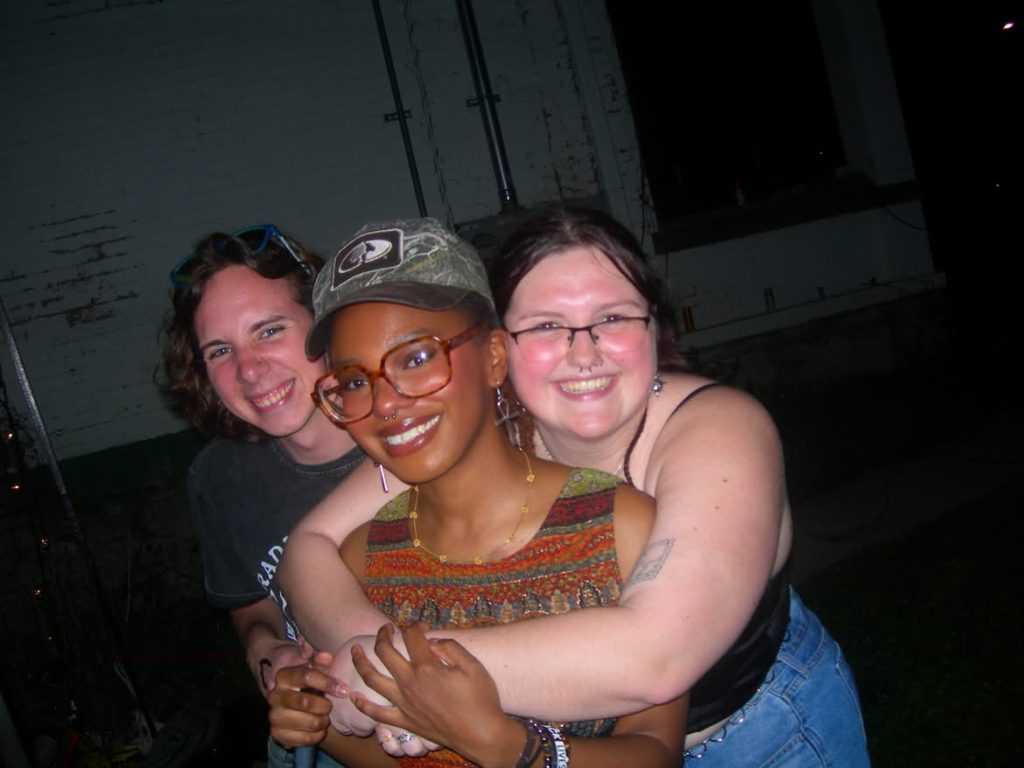
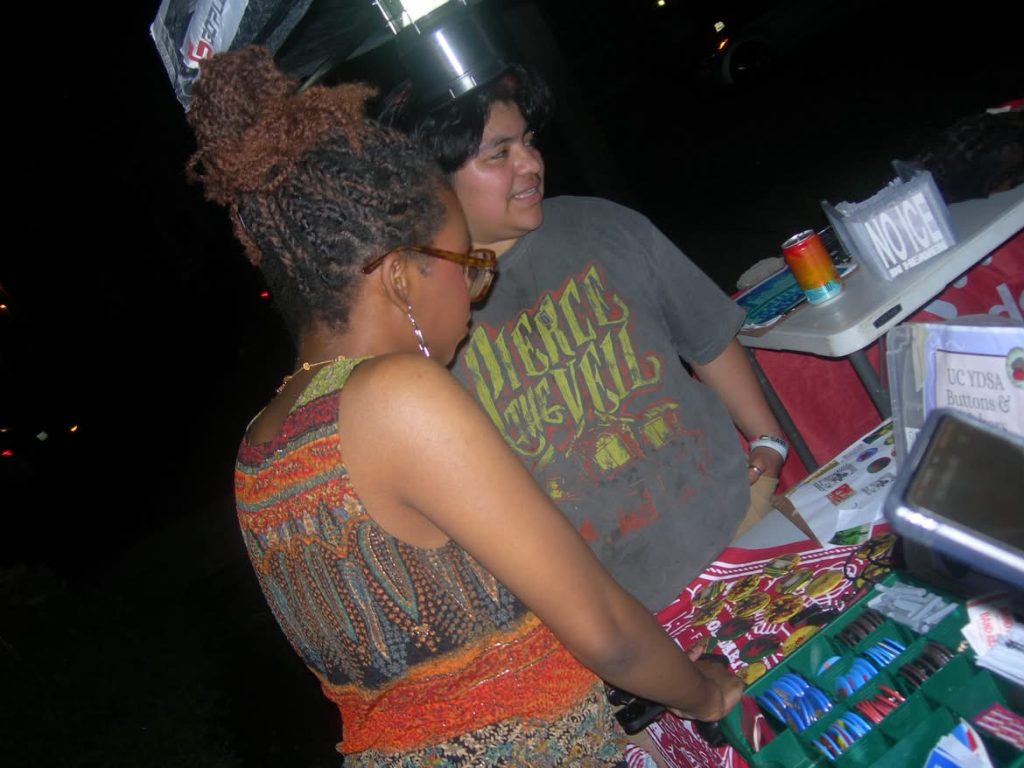
Whenever a person of color joins our chapter, I get very excited, and make an effort to get to know them. I make sure to cultivate an inviting and inclusive space where a lot of my white comrades do not make a conscious effort to. I do so because cross-racial solidarity is very important to me. Our opinions and beliefs enrich conversations and move our actions in the right direction. The folks who know me know I always say, “kill the white man in your head, they won’t and have not been the arbiters of change, so don’t let them guide your thought”. This is in reference to the unconscious white supremacy and antiblackness that every person harbors in them, if they haven’t done the work to unlearn it, and instead, learn from the cultures and groups outside of their identity.
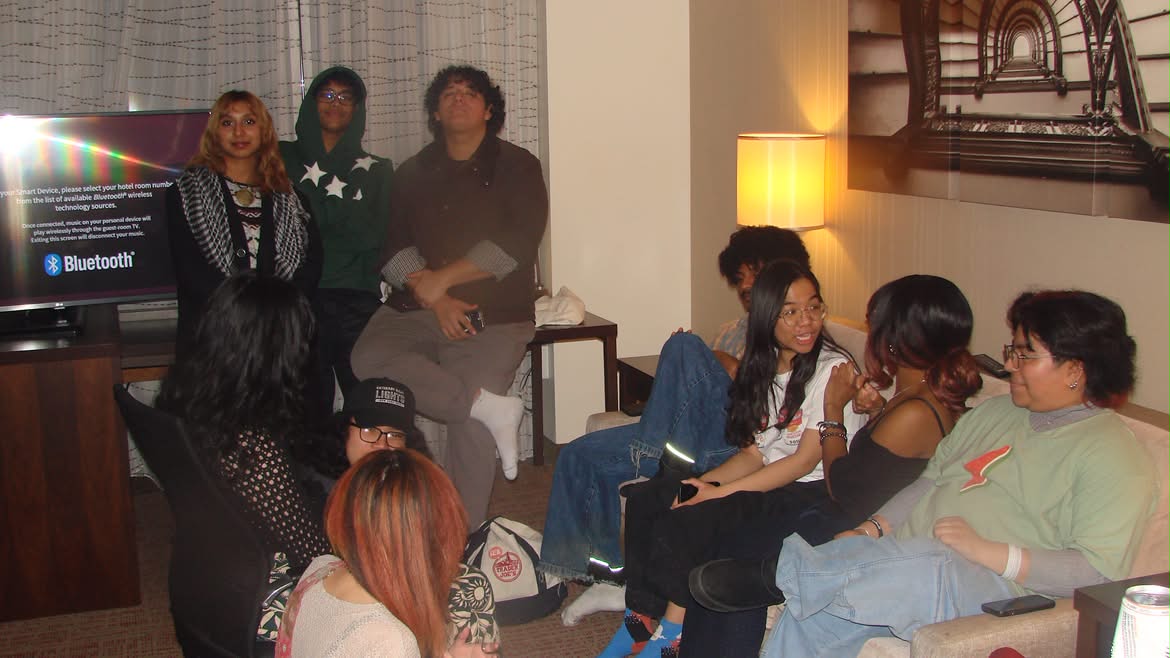
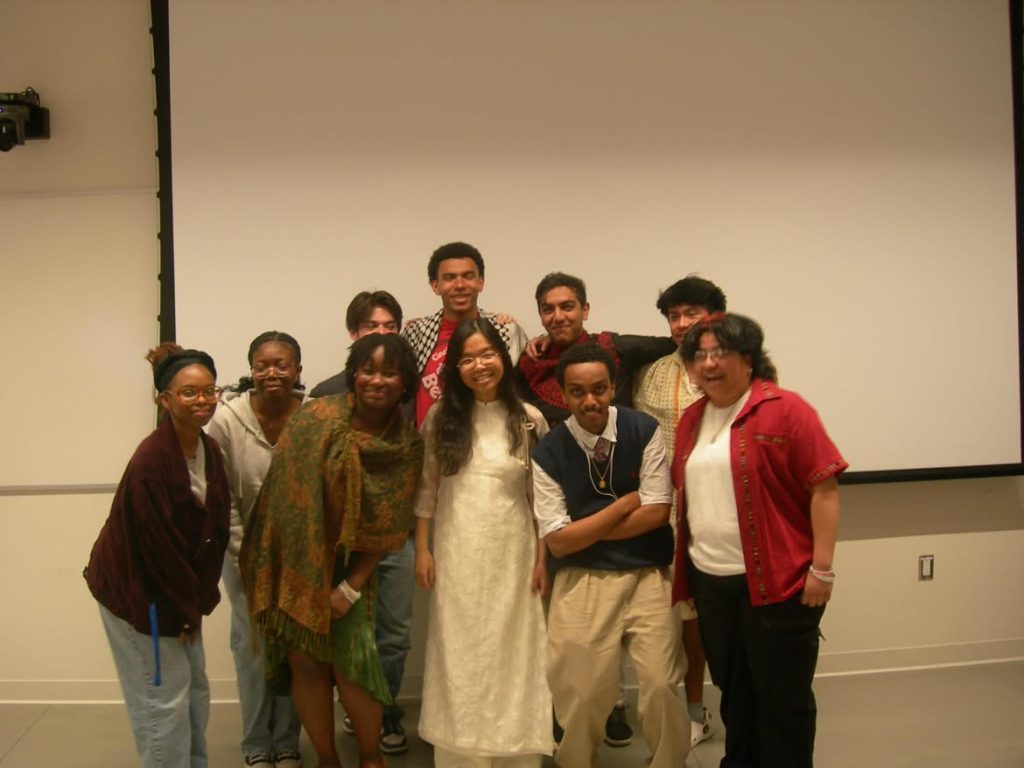
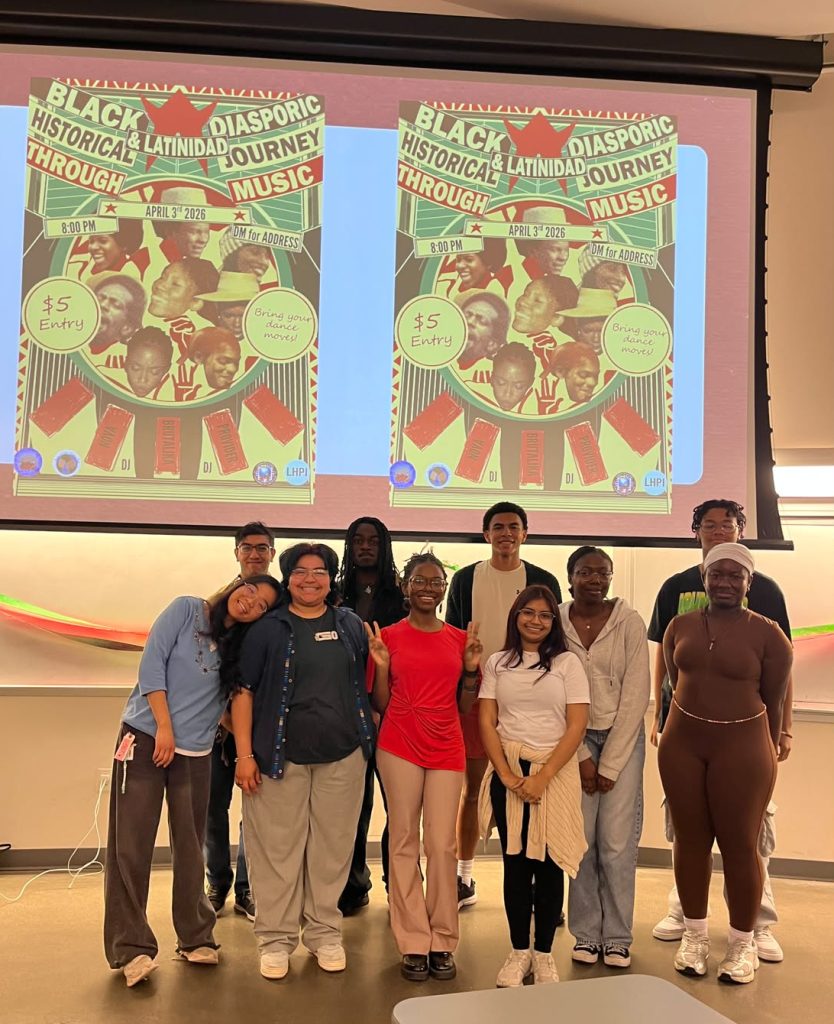
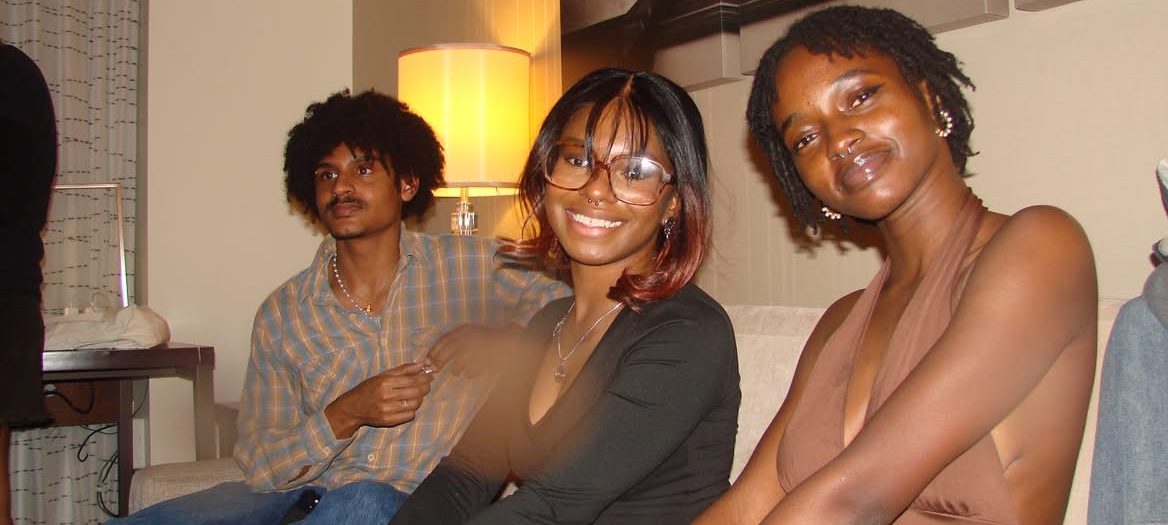
My continuous effort to make my comrades of color feel comfortable in the chapter, while also encouraging other members of color to do the same, made us gain the most people of color in our membership than we have ever had! Each of us was tasked during the spring semester with recruiting at least two underclassmen of color, both into the chapter and the Global Majority. In 2022, we started with only three members of color (including me) who were consistent in this work. Now, I am proud to say we have 24 comrades of color in our membership, and counting! This is also the effort of another member of UC Y/DSA, Wali, who created an online Global Majority space that turned into an in-person social space. He pushed us even further to do more together. The creation of the section, and effectively, this resolution is of the effort of the Global Majority in the University of Cincinnati chapter of Y/DSA– Dolo, Wali, Alex, Uyén, Vicky, Trey, BK and everyone else who made this a reality! I feel as though we haven’t ever felt this safe in Y/DSA – and comrades have told me this directly. Safe to speak how we feel, to talk how we want to talk (and not in fear of mocking, tone policing, etc.), to talk about our experiences, to do things together, and most of all – to build. This feeling of safety has allowed us to build so much in our chapter; We were able to host a movie screening of Soundtrack to a Coup d’etat, a political education teach-in and show on Black Diaspora and Latinidad Intertwined Struggles to fundraise for local Black immigrants, and have had smaller-scale hangouts where we build politically and understand each other on a deeper level. We had successfully collaborated with a number of Black and Latine campus organizations, which was unprecedented until then! The NAACP chapter, Caribbean Coalition, African student association, and Latin en Accion made the series stand out from our other political education events – intentionally centering cultures and sounds that had not previously been reflected in our chapter’s social events. These new initiatives were necessary to us, because we wanted to cultivate a deeper relationship with the people our campaign target. This wasn’t the work of a handful of people, or even just Global Majority members, it was the work of the entire chapter. The chapter helped us set up, kept the event running, and made it a success. That’s exactly why concerns about separatism and splintering miss the point. A Global Majority section isn’t meant to divide the chapter; it’s meant to strengthen it by raising the collective morale and ensuring everyone has what they need to organize together. That’s why this resolution is so important. It addresses what Y/DSA has lacked, which is a space outside of those built on white supremacy, and one where our comrades of color are more than an afterthought.
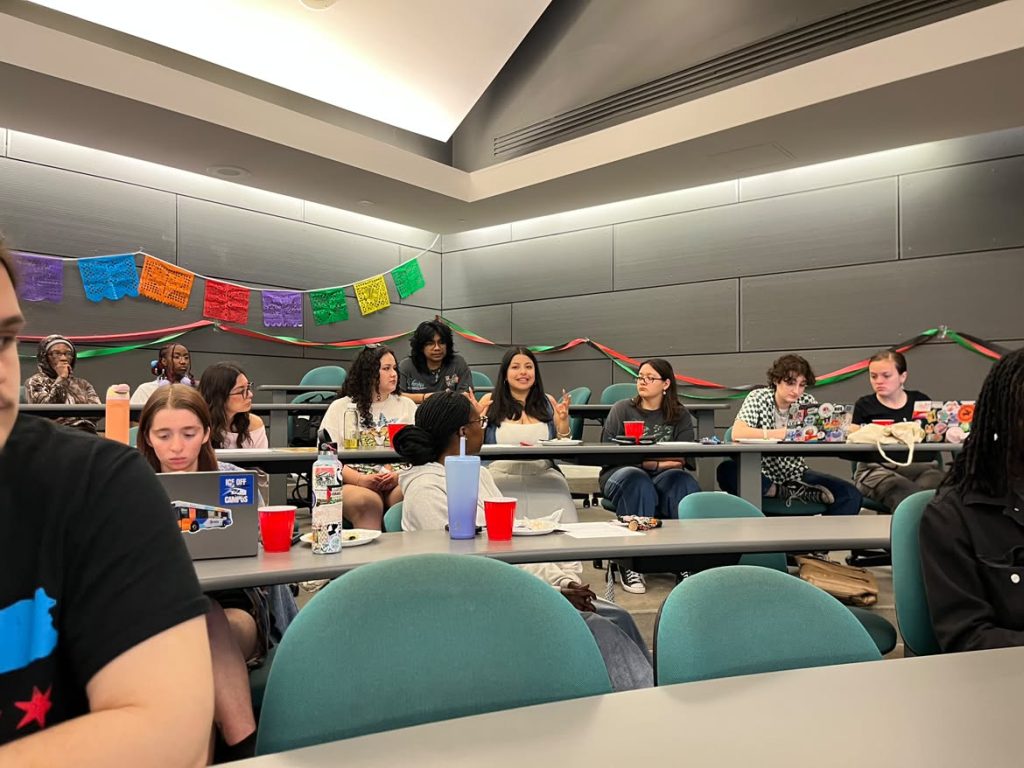
The making of the Global Majority was a long time coming. We take inspiration from the Nardal Sisters salon in France “Le Salon de Clamart”, where they would host “hangouts” with Black intellectuals and revolutionaries to build upon ideas like Négritude. This was the beginning of many larger-scale initiatives that furthered Black thought and Pan-Africanism, and shaped revolutionaries/thinkers – the likes of Aimé Césaire, Léopold Sédar Senghor, Marcus Garvey, Langston Hughes, and Léon-Gontran Damas. This supports the importance of building a community that doesn’t center whiteness. Without cultivating such a space, the ideas and feelings I have shared with the Global Majority and vice versa would have not been explored or listened to due to the white culture and unconscious biases that exist not only in our Y/DSA chapter, but in chapters nationwide. Being ignored, told that “it’s not that serious,” or having our ideas dismissed as divisive simply because they center marginalized experiences instead of white comfort is something we can no longer accept. We can no longer stand by and watch as our comrades of color leave Y/DSA in massive numbers. Where Y/DSA fails to create space for us, we will create that space ourselves. That is the revolutionary spirit.
But let us be clear: our willingness to lead our own struggle is not permission for Y/DSA to abdicate its responsibility to confront racism. The creation of a Global Majority section is not an excuse for the rest of the organization to disengage. It is an opportunity to set a standard. We intend to demonstrate what meaningful anti-racist organizing looks like, and we expect Y/DSA to learn from it and rise to meet that standard.
via Angel J